Garden Clearance in Hampstead

Our garden clearance in Hampstead focuses on clearing outdoor spaces in a tidy, practical way so they are ready for whatever comes next. Whether a garden has become crowded with cuttings, old planters, broken outdoor furniture or general green waste, we provide a service that separates what can be reused, recycled or removed for disposal. The aim is simple: to leave the space workable, safer to move around and easier to manage.
We handle clearances for front gardens, back gardens, shared outdoor areas and overgrown plots, with attention to access and the type of material involved. Where a job includes mixed items, we sort the load sensibly rather than treating everything as the same. That helps keep the process efficient and gives customers a clearer picture of what is being taken away. If you are planning a one-off tidy-up or a larger clear-out, request a quotation when you are ready.
Garden clearance can involve more than simply removing green waste. In many cases, there are timber offcuts, broken pots, fencing panels, bags of soil, dead plants, shed contents or weathered outdoor items that need separate handling. We work with these materials in a way that supports sensible disposal and makes the remaining space easier to use. Clear access, a simple description of the job and a few photographs, if available, can help us understand the scale of the work.
What We Remove From Outdoor Spaces
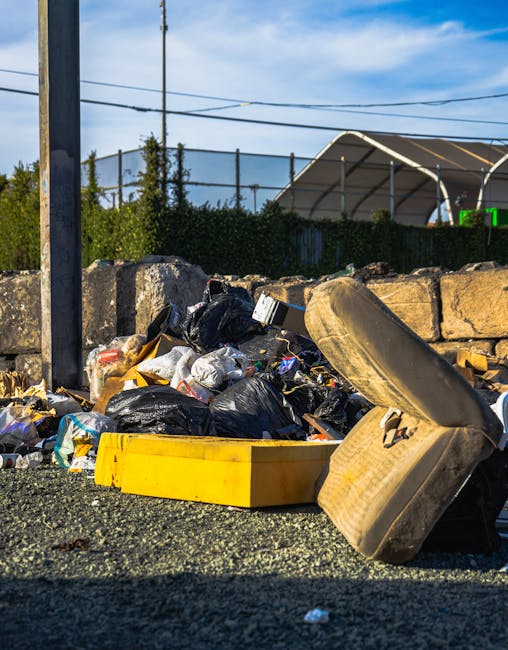
Every garden develops its own mix of waste over time, so the service needs to be adaptable. Some clearances are dominated by hedge trimmings and prunings; others include bulky items such as broken benches, rotting decking pieces, children’s play equipment or unused bags of compost. We clear these items carefully and keep the work organised so that the area is left as neat as possible once the load has gone. That approach is especially useful when the space contains both delicate planting and harder waste.
Useful garden clearance often comes down to judgment. For example, some materials are best bundled separately because they are more suitable for recycling, while mixed waste may need to be loaded in a different way. We also look at how easily items can be carried from the garden to the vehicle, which can influence how the work is planned. If you are comparing options, it is worth thinking about the actual contents rather than describing the job only as a general tidy-up.
Typical outdoor clearance items can include:
- branches, clippings and leaves
- uprooted plants and weeds
- soil, turf and small landscaping offcuts
- broken pots, trays and containers
- old garden furniture and storage items
- fencing timber, panels and general outdoor debris
Practical Help For Tidy-Ups And Overgrown Areas
Some gardens only need a light clear-out, while others have been left untouched long enough that the first task is to regain access. We can deal with overgrown spaces by removing cut back material, clearing accumulated waste and creating a better starting point for later maintenance or improvements. The emphasis is on safe, orderly removal rather than rushing through the job. That matters when vegetation hides bulky items or when the garden contains uneven ground, broken edges or damp debris.
There are times when a customer needs clearance before landscaping, fencing, path repairs or general property preparation. In those cases, the service needs to make the space manageable without disturbing features that are being kept. We therefore treat the work as a targeted clearance, not as a blunt strip-out. If there are items you want left in place, or areas that should not be touched, it is best to identify them at the outset so the work can be planned properly.
Before asking for a quotation, it helps to note what the garden contains, whether anything is fragile or heavy, and whether access is straightforward from the house, side path or rear lane. A couple of photos can be useful, but they are not always essential. The goal is simply to describe the job clearly enough that the quote reflects the real amount of work involved. You can keep the request brief and still provide enough information for a sensible estimate.
Outdoor Furniture, Timber And Bulky Garden Items
Not all garden clearance is green waste. Outdoor spaces often contain chairs, tables, parasols, broken storage boxes, plant stands, trellis, offcuts and other bulky pieces that no longer belong outside. We remove these items alongside the rest of the clearance so customers do not need to organise separate collections for different materials. In mixed outdoor jobs, the main benefit is usually convenience: one visit, one planned load and a tidier result.
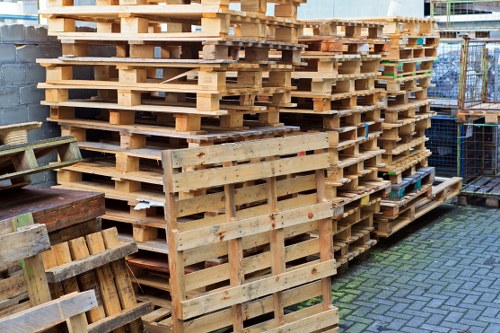
Bulky items can create practical problems even when they are not especially numerous. A single rotting bench or a stack of timber panels may be awkward to move, while a few heavy planters can take more time than a large pile of light trimmings. We therefore treat weight, shape and access as part of the work itself. This is particularly relevant when items are stored in sheds, corners or narrow side passages where carrying space is limited. Furniture clearance can be useful when an outdoor job includes items that need careful handling as part of a broader removal.
Where customers are undecided about what should go, we recommend separating the pieces you know you want removed from anything that may be kept, repaired or reused. That simple step can save time on the day and help the quotation reflect the true scope of the work. It also makes it easier to avoid removing items that are still needed for the garden layout or for storage.
How We Approach Sorting And Disposal

The clearance process should be organised, not improvised. We aim to separate reusable, recyclable and general waste where the material mix allows it, because that is a more practical way to handle a garden clearance than simply treating every item as rubbish. Green waste, timber, hard plastics and mixed debris may each follow a different route depending on their condition and composition. That sorting stage supports a neater, more responsible service overall.
Customers often want the garden dealt with in a way that leaves the property ready for its next stage, whether that is routine maintenance, replanting or a larger outdoor project. For that reason, we keep the work focused on the actual items present and the safest method of removing them. We do not need lengthy explanations; a straightforward description of the waste types is usually enough. If the clearance includes heavier bags, broken materials or awkwardly positioned objects, mention them so the job can be planned with the right approach.
Recycling and sustainability is a useful subject to review if you want to understand how different material streams are typically handled. For outdoor clearances, the key point is that mixed waste is not always dealt with in the same way, and some items may be better separated before loading. This helps keep the process efficient and makes the overall clearance more orderly from start to finish.
Planning A Garden Clearance Quote
Price is usually affected by the amount of material, the kind of waste, the access to the garden and whether the job includes bulky or awkward items. A small pile of cuttings in a front garden is a very different task from a heavily overgrown rear space with timber, planters and mixed debris. Rather than guessing from photographs alone, a clear description of what needs removing is the most reliable starting point for a quotation. That is especially true when the clearance involves several types of waste.
For best results, think about the job in practical terms. What is staying? What is going? Is the waste loose, bagged, stacked or hidden in a corner? Are there steps, narrow paths or shared access points? These are the details that help shape an accurate quote. If there are items that need to be handled separately, it is worth saying so clearly. That can reduce delays and avoid the need to revisit the scope later. Use the quotation stage to define the work cleanly.
We also consider the time needed to load and clear the space safely, particularly when the garden has uneven ground or when the waste has been stored in more than one area. If you already know that the clearance will be combined with other removals, mention that in the same enquiry. A tidy description now usually leads to a smoother job later.
Garden Clearance For Homes, Flats And Shared Spaces
Not every outdoor space is arranged in the same way, so the service needs to suit the property as well as the waste itself. A small courtyard, a terraced rear garden and a shared communal area all present different access and loading considerations. We keep the work adaptable so the clearance fits the layout rather than forcing the layout to fit the clearance. That is useful when items must be moved through a building, around neighbouring property or via a limited side return.
For customers in properties with less direct access, the important details are usually where the waste sits, how far it needs to be carried and whether any items are too large for tight routes. A short, accurate summary of the job helps us judge the best way to remove it. If the outdoor area includes a mix of household and garden material, it may also be useful to separate those elements at the quotation stage. Home clearance can be relevant where the outdoor work is part of a wider property clean-out rather than a stand-alone garden job.
Two simple steps help most. First, list the main items to be removed. Second, note anything that may be difficult to reach or particularly heavy. Those two points alone often make the quotation clearer and the collection smoother. If you prefer to discuss the scope before deciding, that is a sensible way to begin. Request a quotation when you are ready to move forward.
About Hampstead
Hampstead is a district in north-west London known for its high ground, village-like centre and strong sense of architectural character. At its heart is Hampstead Heath, one of London’s most recognisable open spaces, with wild grassland, ponds, wooded slopes and long views across the city from higher points such as Parliament Hill. The Heath has shaped the area’s identity for centuries, giving the neighbourhood a landscape that feels unusually open for an inner London setting. The village streets around Hampstead High Street and Flask Walk contain a mix of historic buildings, independent shops and narrow lanes that preserve a more intimate scale than many parts of the capital.
The area has long been associated with writers, artists and public life, and that cultural reputation is reflected in its museums, galleries and preserved houses. Keats House, linked to the poet John Keats, is one of several places that highlight the district’s literary history. Burgh House, another notable building, adds to the local picture of domestic architecture and civic memory. Hampstead’s built environment ranges from Georgian terraces and Victorian villas to later apartment buildings, with many streets valued for their distinctive facades and mature trees. The combination of heritage, hillside topography and open space gives the district a layered feel that changes noticeably from one street to the next.
Elsewhere, the surrounding neighbourhoods and roads connect the area to wider north London movement, while the Heath itself remains a major public landscape with ponds, tree cover and seasonal change at its centre. Hampstead’s conservation areas and historic streetscapes help explain why the district is often described as one of London’s most characterful places. Its identity is not built on a single landmark alone, but on the combination of open land, varied architecture and a long cultural record that continues to define the area today.
When A Simple Clearance Is Enough

Many customers only need a straightforward removal rather than a complicated project. A simple garden clearance may involve cuttings, broken items, a few bags of waste and some general tidying around the perimeter of the space. In these cases, the job is best handled efficiently and without unnecessary extra steps. We work in that practical spirit, keeping the focus on removing the agreed items and leaving the area more manageable than before.
At the same time, small jobs can still require care. A compact courtyard may have limited access, while a modest front garden may contain items packed tightly against walls, railings or planting beds. The size of the waste pile does not always tell the full story. If you are unsure whether your garden falls into a simple clear-out or a more involved removal, describe the contents and layout in plain terms. That is usually enough to work out the right approach and produce a fair quotation.
Pricing and quotes can help you understand how quotation requests are usually handled across different kinds of clearance work. For garden jobs, the main thing is still the same: clear information leads to a better estimate. Once you know what needs taking away, it becomes much easier to decide how the work should be scheduled and what kind of clearance service is most suitable.
Booking The Work And Preparing Access

When a garden clearance is ready to go ahead, the most useful preparation is usually to make access as straightforward as possible. Gates, side passages and rear routes should be open if they are to be used, and any items that are definitely staying should be kept separate from the waste pile. That helps avoid confusion and keeps the work moving in a sensible sequence. If there are parking restrictions or access limits, mention them with your enquiry so they can be factored into the plan.
It is also sensible to keep fragile items, personal belongings and plants you wish to retain clearly apart from the material to be removed. In mixed outdoor spaces, a little organisation before the collection can save time and reduce the chance of misunderstandings. We are used to working with varied garden contents, but the clearer the scope, the more efficiently the clearance can be carried out. If there is a larger property clean-up happening at the same time, it may be worth grouping the relevant items into one request.
For a straightforward next step, contact us to discuss the clearance and request a quotation. If you already know the main items and the access situation, that is usually enough to begin. Our role is to turn that description into a practical garden clearance plan for Hampstead, with the right level of removal for the space involved.