Health and Safety Policy — Garden Clearance Hampstead
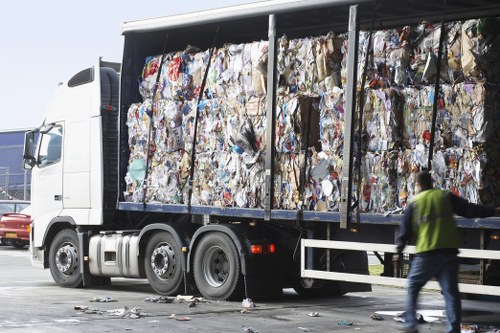 Garden Clearance Hampstead maintains a clear and proactive Health and Safety Policy that governs all garden clearance and rubbish removal activities carried out on behalf of clients. This policy sets out the standards, responsibilities and procedures required to protect the health, safety and welfare of staff, clients, contractors and the public while delivering garden waste and rubbish services in the service area. The company is committed to preventing injury and ill health through effective risk management and continual improvement.
Scope and purpose: This policy applies to all staff, sub-contractors and visitors engaged in garden clearance services, including garden waste removal, tree and shrub clearance, hard landscaping debris handling and general rubbish clearance. The policy explains how risks are assessed and controlled, the responsibilities of management and operatives, and the measures taken to ensure compliance with applicable health and safety expectations.
 Responsibilities: Management is responsible for implementing this policy and providing resources for safe operations. Employees and contractors must follow safe systems of work and report hazards. Key responsibilities include:
- Managers: establish safe procedures, perform risk assessments and monitor compliance;
- Supervisors: ensure operatives are briefed, competent and equipped;
- Operatives: carry out tasks safely, use PPE and report incidents promptly.
Risk assessment and safe systems: Before any clearance work starts a documented risk assessment must be completed for each site, task and type of rubbish encountered. The assessment identifies hazards such as sharp objects, hazardous materials, uneven ground, overhead services and traffic. Control measures are selected to eliminate or reduce risk, including exclusion zones, traffic control, and specific handling procedures for different categories of waste.
Training and competence: All staff receive induction training and periodic refresher sessions relevant to garden clearance operations. Training covers safe use of hand tools, chainsaws and power equipment where appropriate, manual handling techniques, use of personal protective equipment (PPE), and awareness of hazardous materials. Competence is verified through observation and recorded assessments.
Equipment, maintenance and plant safety: Vehicles, trailers, chippers and powered tools used for rubbish collection and garden clearance are maintained to manufacturer standards. A pre-use check is mandatory and any defects are reported. Only trained and authorised personnel operate mechanical plant, and guarding, emergency stops and safe operating distances are enforced.
Manual handling and ergonomics: Manual lifting and repetitive tasks are common in garden clearance. Tasks are planned to minimise manual handling, using mechanical aids where feasible. Staff are instructed in safe lifting procedures and encouraged to work in teams for heavy or awkward loads to reduce musculoskeletal risk.
Hazardous substances and sharps: Rubbish removal can expose staff to hazardous substances, old chemicals, syringes and contaminated waste. Protocols require segregation of hazardous items, containment, and specialist disposal. If asbestos or suspected contaminated materials are encountered, work is stopped and a competent specialist is engaged.
 Traffic management and site control: Where clearance activities occur near roads or driveways, traffic management plans protect operatives and the public. Measures include signage, cones, high-visibility clothing, safe vehicle positioning and, where required, banksmen or traffic marshals. Vehicle loading is controlled to prevent spillage and ensure safe transport of garden waste and rubbish.
Working at height and tree work: Where pruning, climbing or elevated work is required, only trained personnel using appropriate fall protection or access equipment are authorised. Risk assessments cover tree stability, overhead utilities and environmental considerations such as nesting birds. Specialist arboricultural contractors are engaged for complex tree operations.
Waste segregation and environmental controls: The company promotes recycling and lawful disposal. Garden waste, green material, wood, soil, metal and general rubbish are segregated where possible. Prohibited materials such as certain chemicals, batteries and hazardous industrial waste are identified and handled according to statutory controls to prevent environmental harm.
First aid, biohazards and animal encounters: First aid kits are available on site and personnel trained in first aid are designated. Protocols address exposure to biohazards, injuries from sharps, insect stings and wildlife encounters. Where nests or animals are found, activities pause and appropriate wildlife protection and relocation procedures are followed by specialists if necessary.
Incident reporting and investigation: All accidents, near-misses and hazardous occurrences are reported without delay and investigated to identify root causes. Findings lead to corrective actions and updates to risk assessments and training. Reporting supports continuous improvement and helps prevent recurrence.
Contractor and subcontractor management: Subcontractors engaged for garden clearance or rubbish removal must demonstrate equivalent health and safety standards. Pre-qualification, evidence of training, and adherence to site-specific safety plans are required. The company monitors performance and enforces compliance through supervision and audits.
Communication and client liaison: Clear communication ensures clients understand safety requirements while clearance work is undertaken. Operatives display clear signage, maintain safe boundaries and give concise safety briefings where necessary. Safety information is provided to occupiers when risks may affect them, without disclosing legal or private detail.
Monitoring, audit and review: The Health and Safety Policy is monitored through regular site inspections, audits and review of incident data. Performance indicators include near-miss reports closed, training completion rates and equipment inspection records. This policy is reviewed annually or when significant changes to operations occur.
 Enforcement and corrective action: Non-compliance with safe systems of work is addressed through coaching, retraining or disciplined procedures as appropriate. Immediate remedial action is taken to remove dangers. The emphasis is on prevention, education and continuous improvement rather than punishment.
 Policy adoption and records: This policy is endorsed by company leadership and made available to staff and contractors. Training records, risk assessments, vehicle and equipment logs, and incident reports are retained in accordance with organisational record-keeping practice. Regular review ensures this policy remains effective and aligned with evolving best practice for garden clearance and rubbish removal operations.
Key commitments
We will: maintain safe working systems; provide training and equipment; manage hazards logically and transparently; and actively seek to reduce the risks associated with garden and rubbish clearance activities.
Accountability and continuous improvement
Accountability: Managers and supervisors are accountable for day-to-day implementation. Staff are accountable for following procedures and reporting hazards. The company commits to ongoing review and improvement to ensure a safe working environment across all garden clearance and rubbish removal services.
Signed on behalf of the company: (Policy owner and review date recorded in company records.)